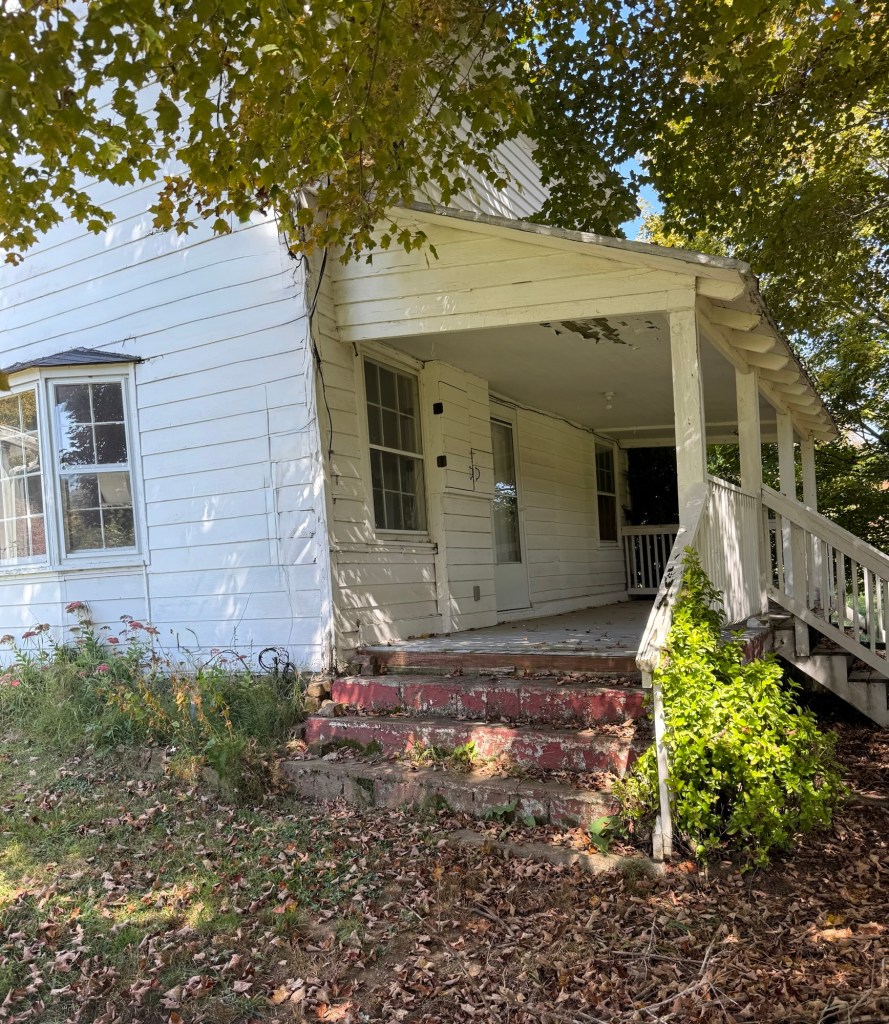
In the beautiful rolling hills of the Appalachian Mountains, Along a country winding road, In the county of Craig, and the State of Virginia. You wander along Farm lands, fields of cattle, and beautiful hardwood trees. There you will find, a piece of land in the 19th century utilized often for the financially crippled. It was a salvation for the outcasted or simply the last place to go. This was known as the Poor Farm. For the modern-day it’s a journey that is less that an hour from the closes grocery store. In the day of full operation, the location was a days journey, far for a wagon or horse , and out of site. A house stands on this property know as the Poor Farm, that many recall, as the Poor House.
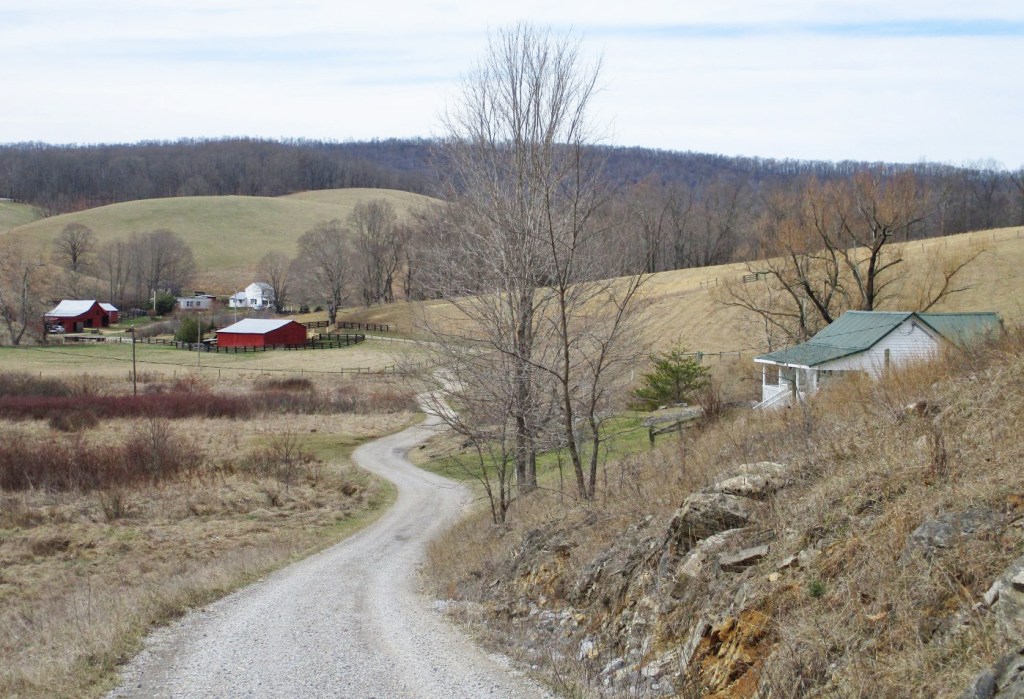
Photo Credit Dan Pezzoni.
Poor houses were tax supported residential institutes, which people were required to go to if they simply could not support themselves. They tend to be a place for elderly, crippled, and often unwed mothers. They were the beginning of what we know as welfare in the United States. At the time, they were a salvation and a place to survive. Theses working farms gave hope and skills of basics of rural country living. That living was noted as “outdoor relief” Teaching gardening, live stock care, home care and personal well being. Most that went to the Poorhouse usually finished life there and graves can be found on the properties.

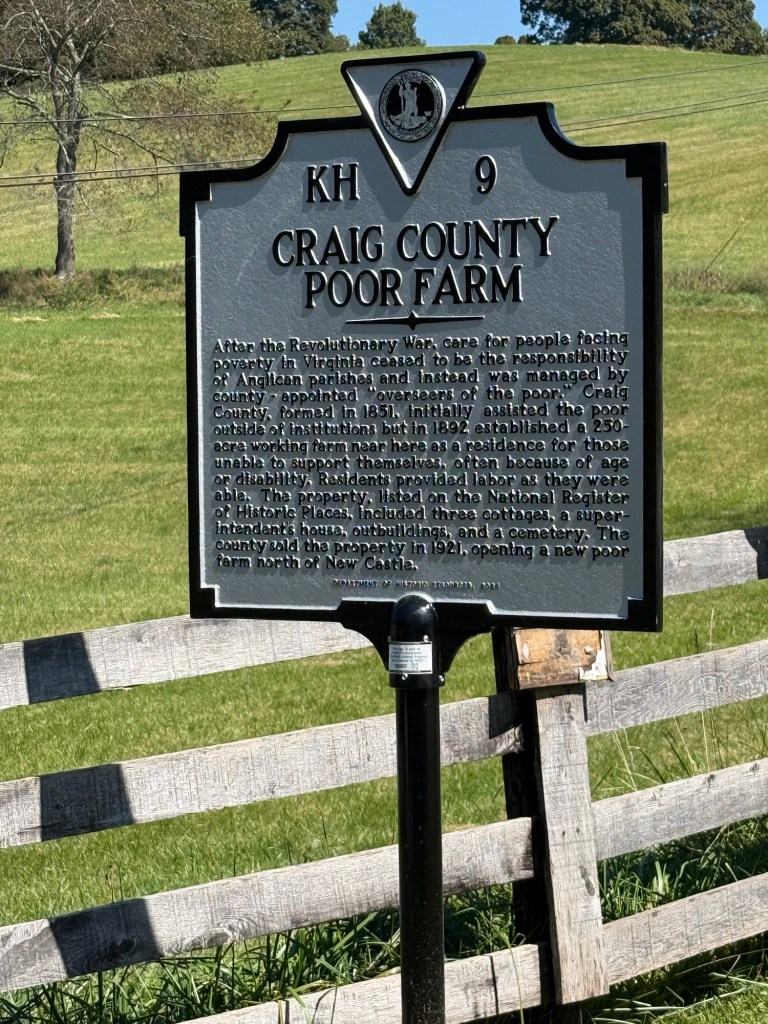
The Poor House of Sinking Creek stands today with the notable acknowledgment of being recognized as a National and Virginia historical landmark. It is also part of a land preservation project by Bill and Tracy Frist. Tracy, having grown up in the area, came to know this property as a young girl and instantly recognized the pressing need to preserve the heritage and future of the Poorhouse and the surrounding land. The Historic Marker designated for this acknowledgment serves as a reminder of the dignity owed to every person, especially the most vulnerable in our communities.

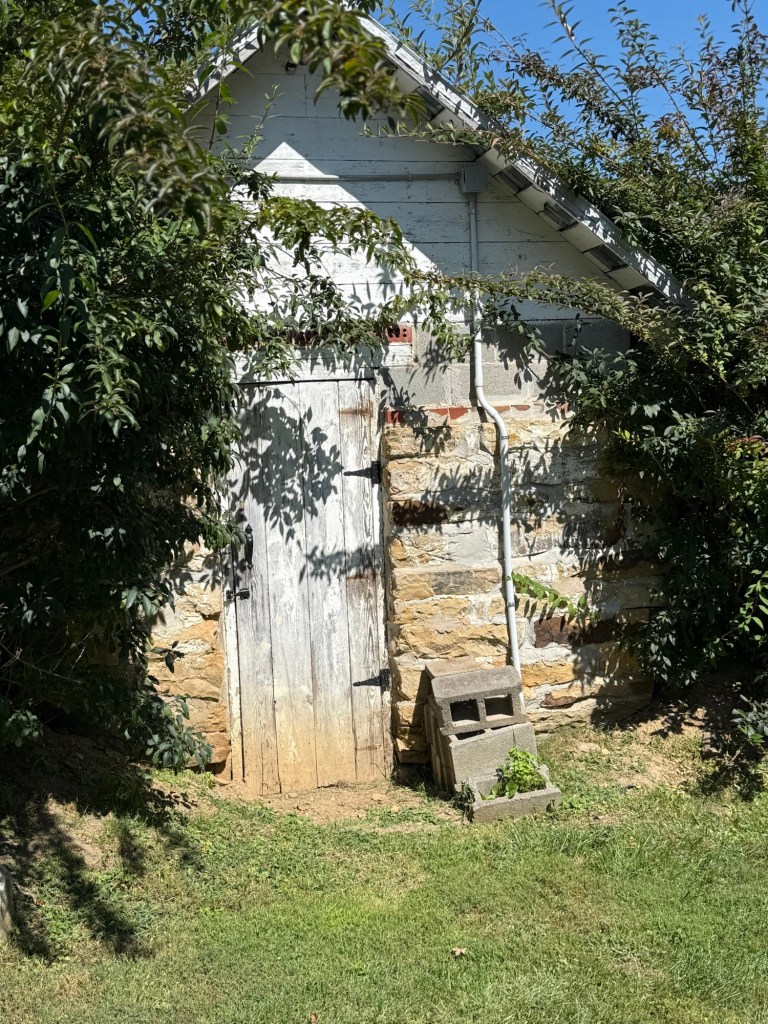
A monument was dedicated with surrounding neighbors, family, and friends all in attendance, sharing stories of the Poor Farm’s past. Memories were filled with both joyful experiences and hardships.
Even with the sad, almost forgotten reasoning behind the poorhouses, valuable lessons of sustainable survival and resource utilization of the land continue to be shared from generation to generation. Delicious home-cooked recipes derived from gardening, foraging, wild game, and livestock emerge as a testament to this heritage. Recipes have been passed down through generations and are still cultivated today, preserving the tradition.
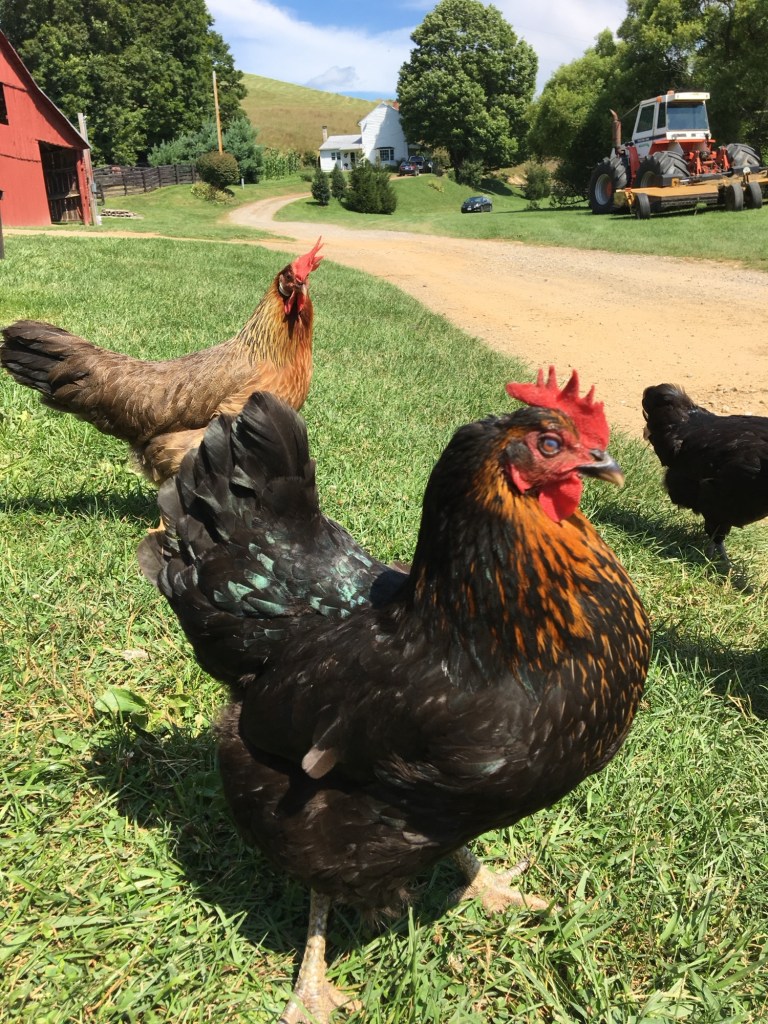
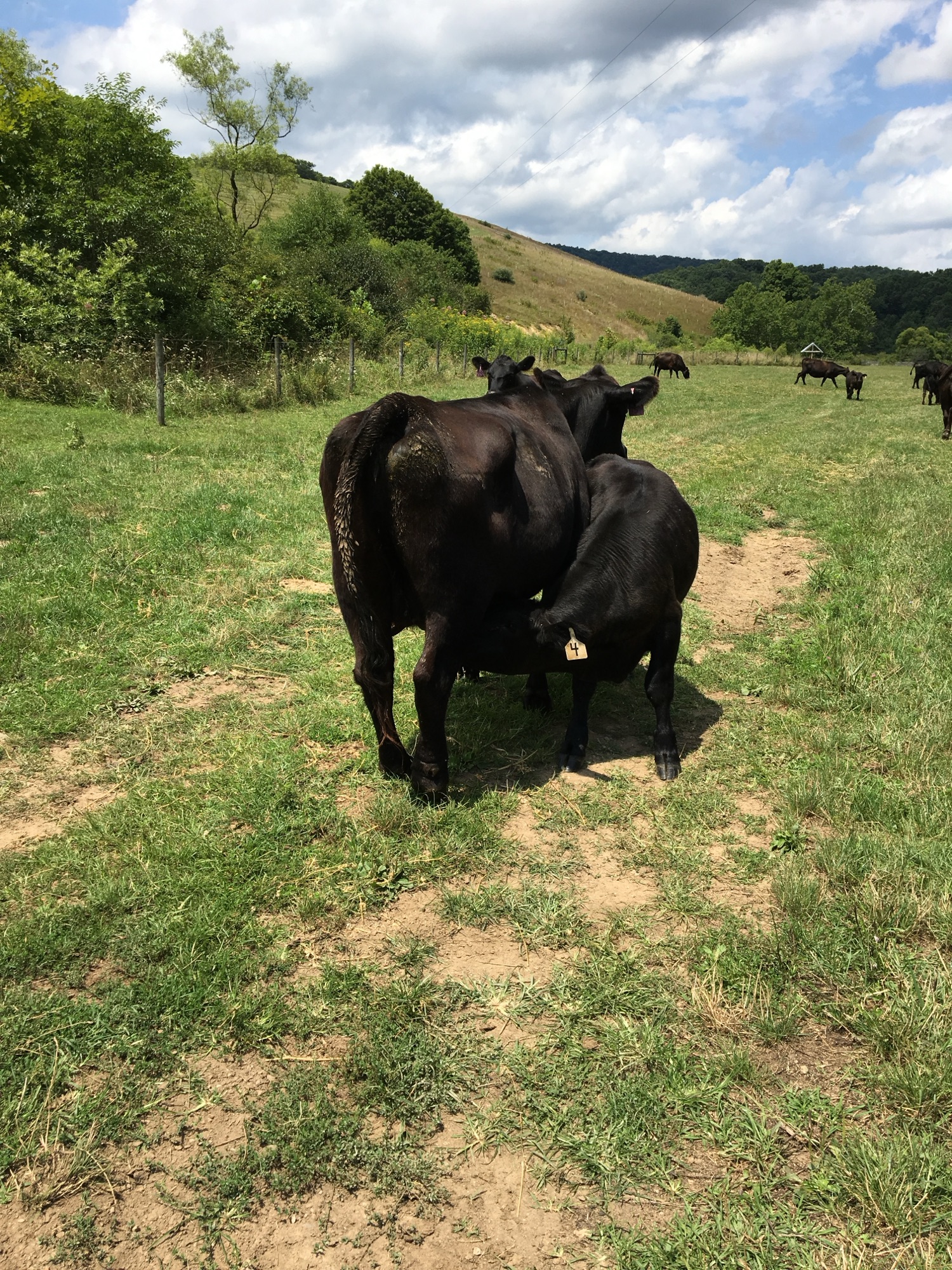
Dried beans and cornbread, a Poor Man’s meal, are always topped with the fall garden staple of Chow-Chow. Chow-Chow is a pickled fall harvest relish that represents the last remnants of a summer garden. Cabbage, onion, peppers, carrots, squashes, and sometimes tomato are all preserved in a shelf-stable sweet pickle brine. This provides essential nutrients year-round and promotes gut health through fermentation. Today, you can find versions of Chow-Chow in the organic aisles at a reasonable price. Yet, it remains a survival delicacy from the poor farms and simple life of Appalachia.
Recipe for Fall Harvest Chow-Chow
https://gritcooking.com/2018/09/08/chow-chow-appalachian-style/


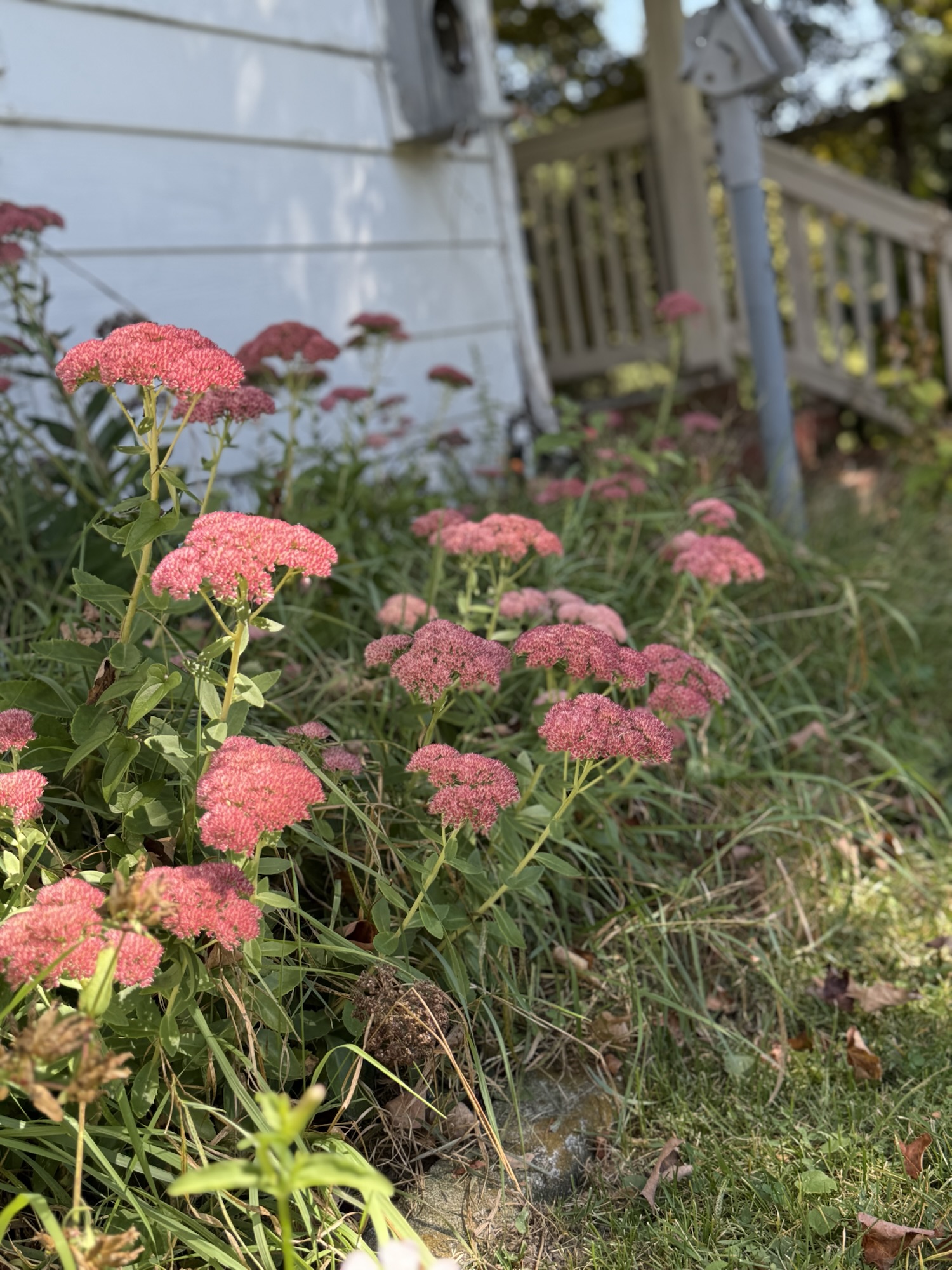
Every morsel had to be utilized for the hungry bellies of winter. Every item planted has a job for sustainability and nutrition. Even the flowers planted in a garden have a purpose and a role to play for survival. The zinnia, also known as the garden flower, is a hardy plant that is easy to grow from seed and serves as a pollinator. It supports honey production from bees and encourages many pollinators to visit the garden, leading to large, bountiful harvests. Additionally, they provide cheerful blooms to bring indoors during bleak times.


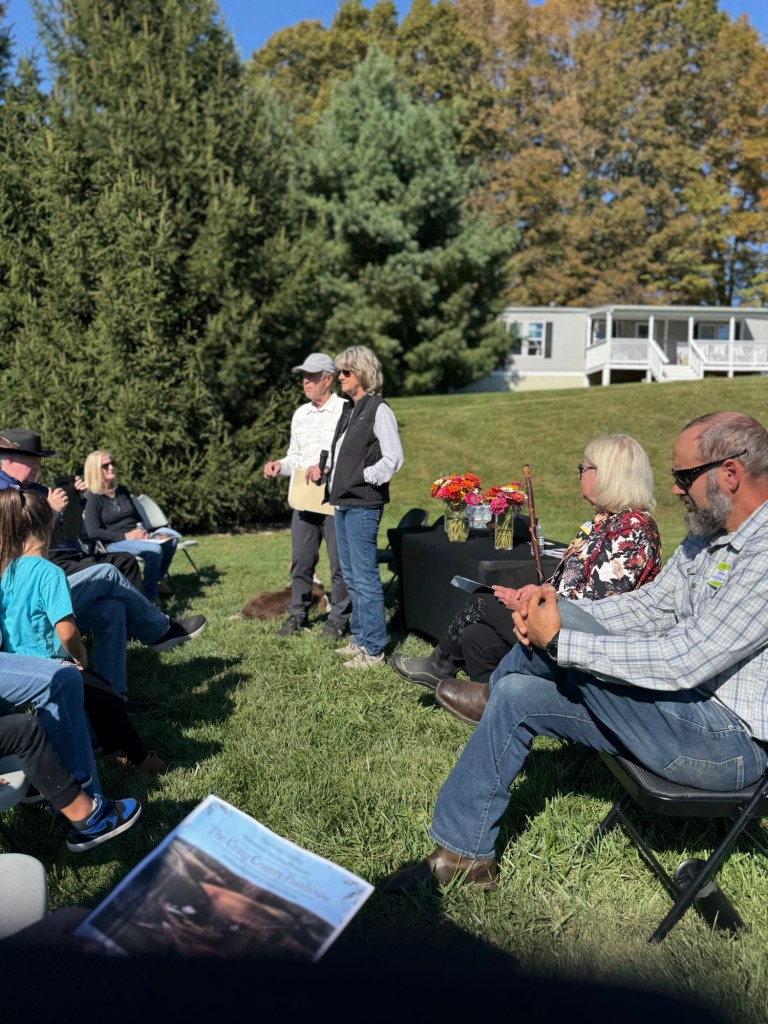


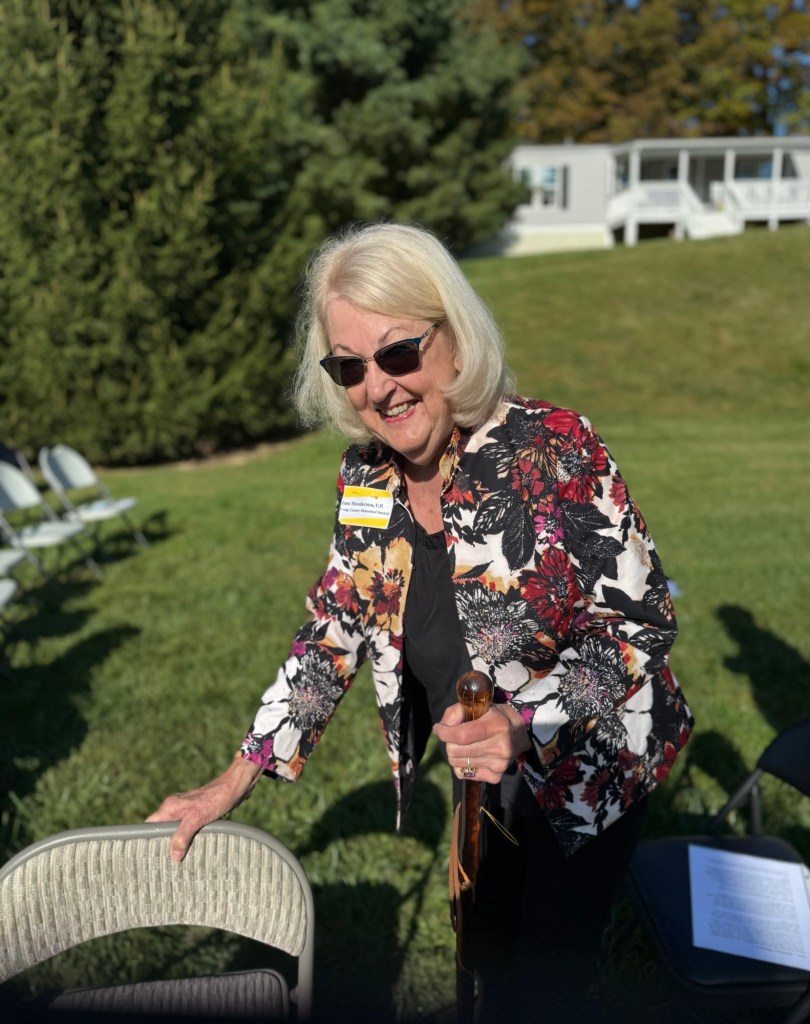
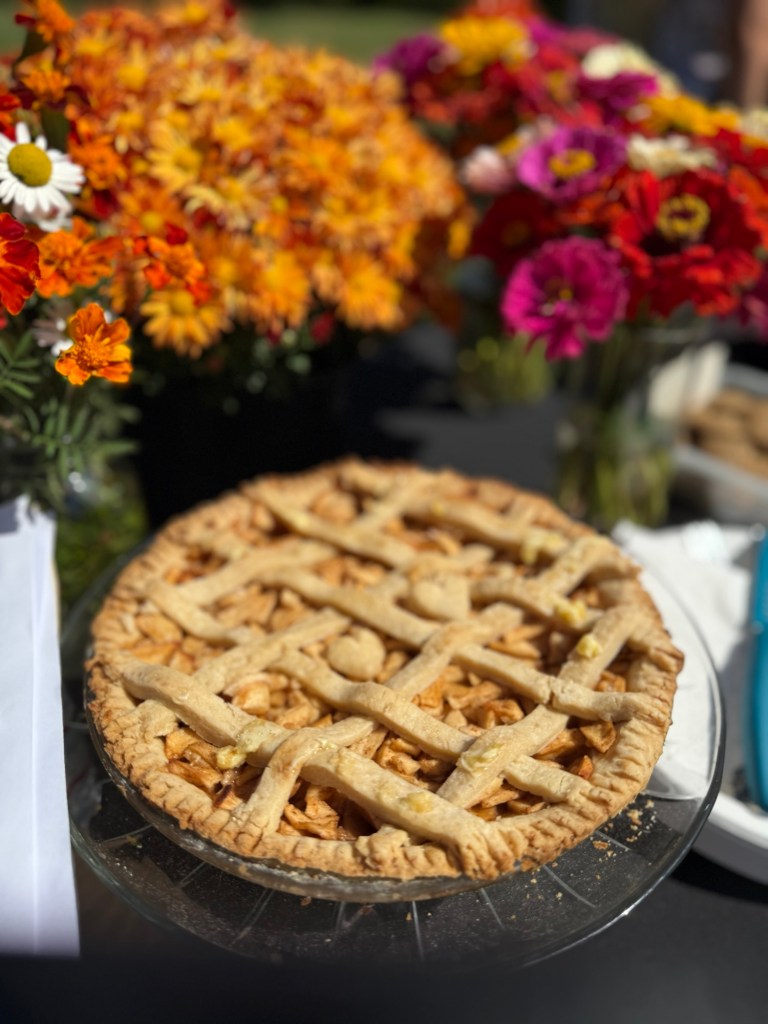


On September 13, 2025, the community of neighbors, friends, and surviving relatives came together to celebrate the remembrance and history preserved on this beautiful farm, bringing food, beverages, music, and stories of times past. Today, you can drive down Route 42, enjoying the scenery and surroundings of lovely Craig County. Take a moment to remember the sacrifices and labors of country living, survival, humanity, and community that shaped the Poor Farm way.
As the sun set over the hills, casting an amber glow over the landscape, the stories shared that day created a tapestry of connection among those present. Laughter intermingled with tears as ancestral tales of resilience and community echoed through the woods. Each story served as a reminder of the struggles and triumphs of those who once took refuge at the Poor House.
As you walk the Poor Farm today, you can feel the whispers of history intertwined with the chirping of birds and the rustle of leaves. It is a sanctuary, a living testament to the endurance of those who sought shelter here, and a beacon of hope that reminds us of the strength that comes from community.
The memories of those who found safety and sustenance at the Poor House remain alive, not only within the stories told but also through the hands that nurture the land now. As the community works together to build upon the foundation laid by their forebears, they reinforce the belief that every garden grown, every meal shared, and every story told invites the essence of the Poor Farm to flourish anew. Through dedication and shared purpose, the legacy of the Poor House lives on, woven into the very fabric of Craig County.
In the years to come, visitors may find themselves not just exploring a historical site but becoming part of a living narrative—a continuation of the journey that began long ago.
 Grit Cooking- A Southern Girls Taste